Category: Uncategorized
-
Methods and madness
Cajal gives us a really evocative sense of what we’re up against as investigators of the brain. It’s a jungle, a nest of nests, a glorious and spectacular mess of wormy processes and crisscrossing fibers. In college textbooks you see cartoon neurons in isolation (like the one below, on the left), with their various protrusions…
-
On art and method
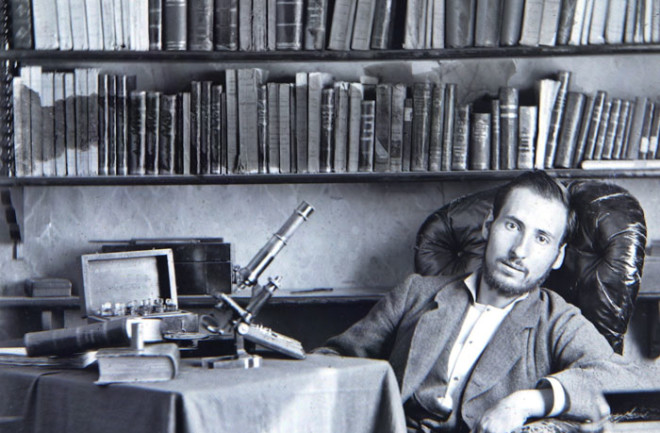
Cajal throws things into a different gear in chapter 2 of the Textura, giving us a “Review of Research Methods and Resulting Discoveries.” If you’re not a neuroscientist, this probably sounds about as exciting as chewing on sawdust, especially after some very high-minded meditations in chapter one about the origins of nervous systems, “psychic cells,”…
-
Habit and self-loathing

More than any other chapter of The Principles so far, the one on Habit really gives the sense that James is trying to work through something, for himself. I see a lot of guilt and self-contempt in these pages; lofty, troubled, and complex feelings about work and responsibility. When I take the view from 10,000…
-
It is being counted none the less

The reason James’ chapter on ‘Habit’ is so deservedly famous is probably for its final few pages, which discuss “the ethical implications of the law of habit.” He assures us these are “numerous and momentous” (in case you had your doubts that brain plasticity had something to do with the moral order). James is at…
-
The feeling of “proper management”
To what extent are we out “in front” of our actions, and involved in their selection, maintenance, and monitoring? Every so often, sometimes for weeks at a time, I get this unsettling awareness of how many of my behaviors are just kind of happening, with essentially no contribution from the little floaty “me” that daydreams,…
-
The effortless custody of automatism
Why do we have habits, and what are they good for? James has two answers. The first is that “habit simplifies the movements required to achieve a given result, makes them more accurate and diminishes fatigue.” In general, the more we can hand over to what James calls, quite poignantly, “the effortless custody of automatism”,…
-
Creatures of habit, creatures of chance
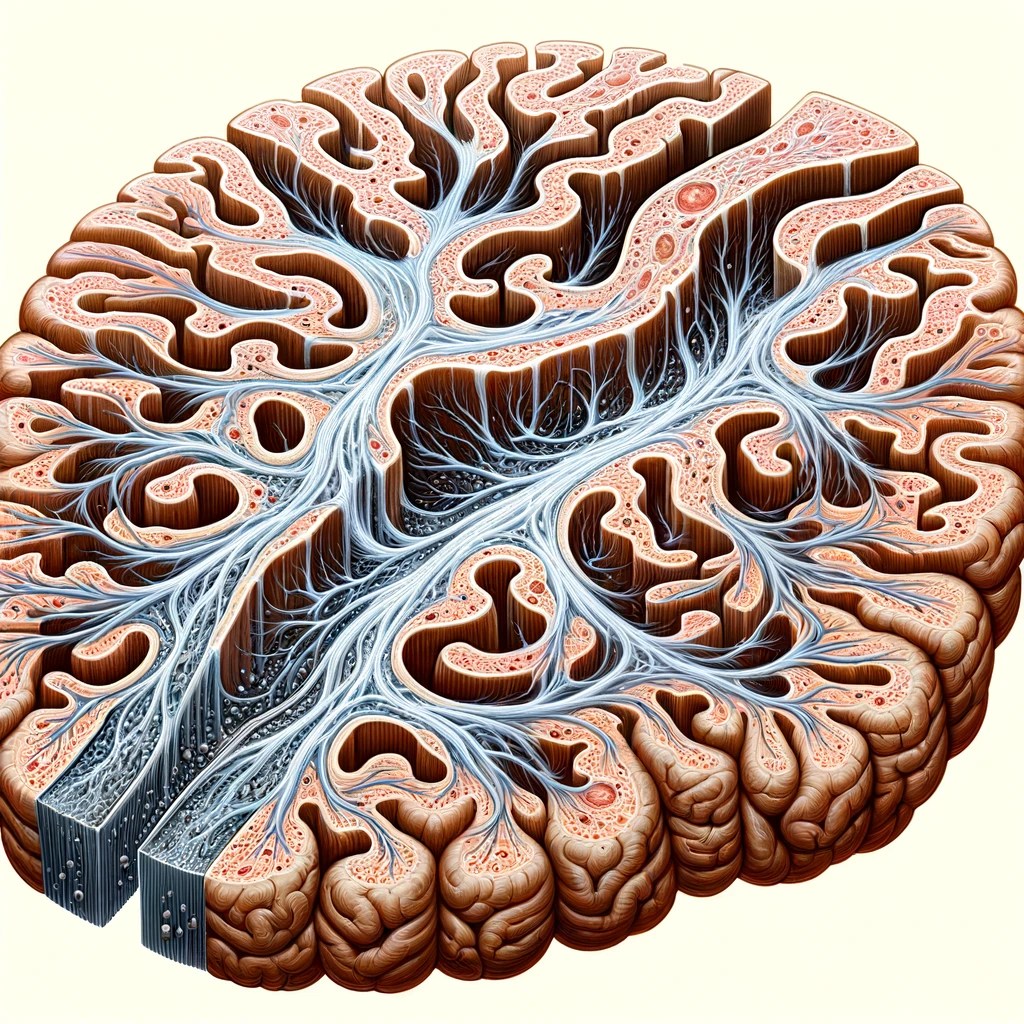
“And when once the possibility of some kind of mechanical interpretation is established, Mechanical Science, in her present mood, will not hesitate to set her brand of ownership upon the matter, feeling sure that it is only a question of time when the exact mechanical explanation of the case shall be found out.” James, The Principles Having…
-
Habit

“It thus appears that habit covers a very large part of life, and that one engaged in studying the objective manifestations of mind is bound at the very outset to define clearly just what its limits are.” William James, The Principles Jacque Barzun called the chapter on Habit in The Principles “the masterpiece within the…
-
The brain and the limits of knowledge
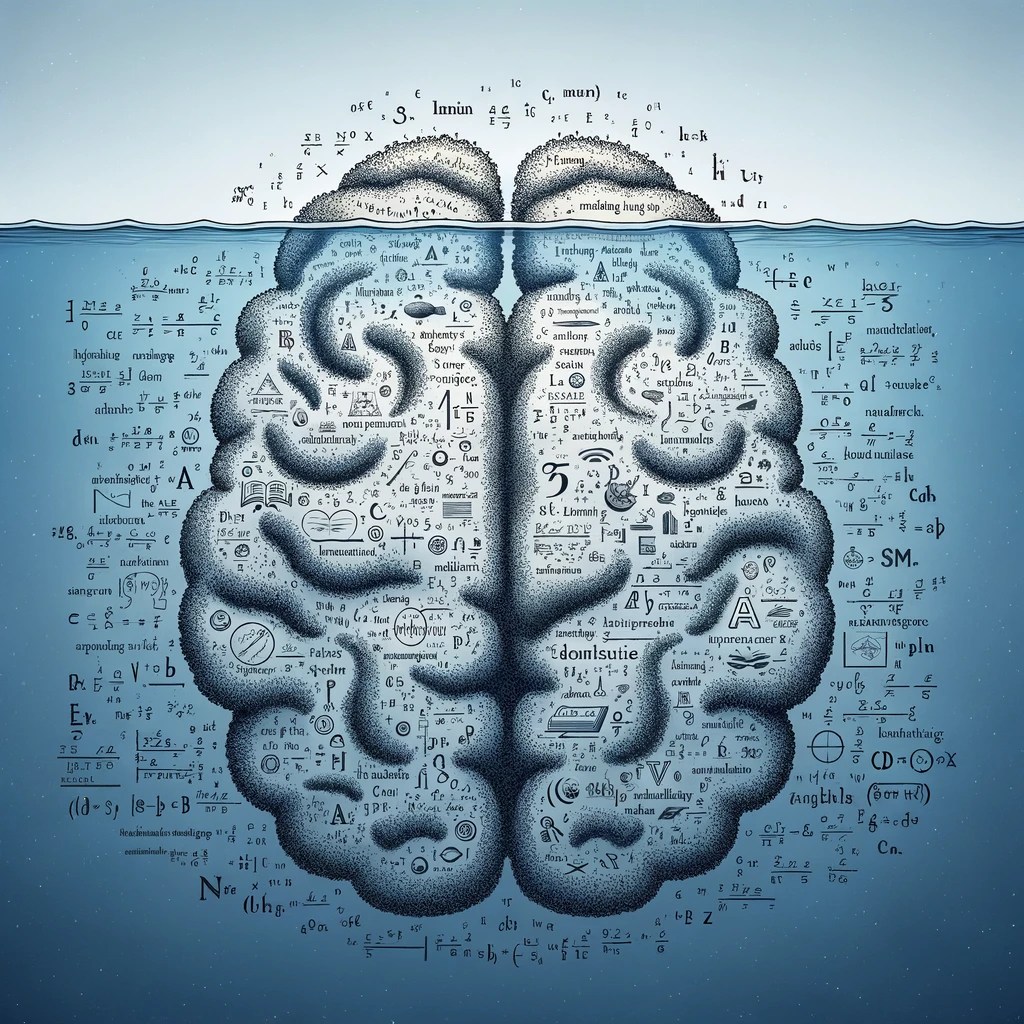
Cajal ends big on chapter one of the Textura, with a meditation on how much of reality our brains can ultimately know. Reading this actually feels a bit like Descartes’ first meditation, where he keeps trying to take his own legs out from under him, philosophically, to see what he might have left to stand…
-
Representational neurons
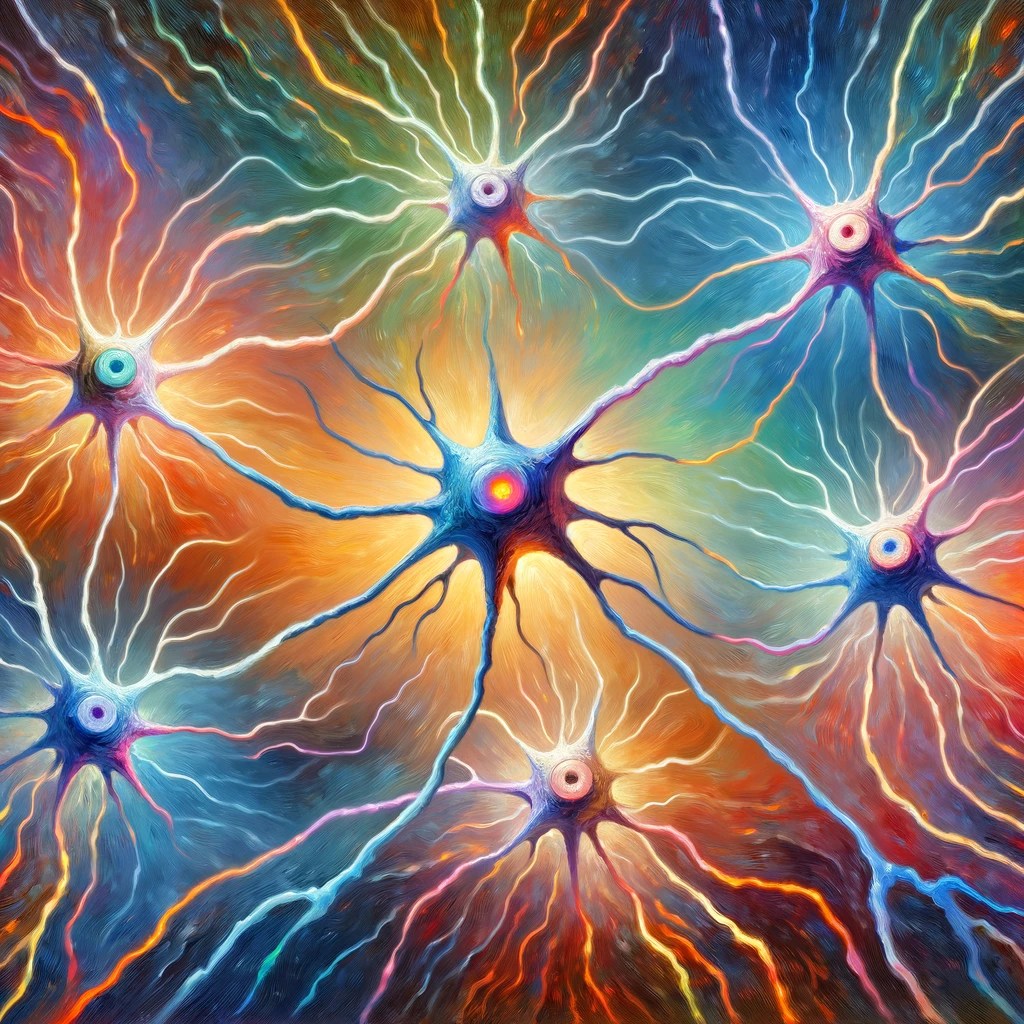
As the first chapter starts winding down, Cajal starts unspooling his full philosophy of nervous system function and development. “From a dynamic standpoint,” he says, “the progressive differentiation of the nervous system appears to respond to the essential goal of improving and amplifying the reflex act.” Cajal sees early life forms as something like robotic…
 The Excitable Membrane