Thoughts on current neuro research, and classics of the field. Much of what you find here in the near future will be a detailed reading of James’ Principles of Psychology and Cajal’s Texture of the Nervous system. See the first blog post The Project if you’re new here and want some more context.
-

Worms and Jellyfish
Like James, Cajal is a master expositor of scientific ideas. He grounds us in “didactic” examples of relatively simple nervous to illustrate basic principles, and then builds on these through successive approximations, gradually climbing the phylogenetic ladder. Today it’s not really fashionable (or correct) to talk about ‘lesser’ and ‘lower’ forms, but as a pedagogical… Read more
-
The Textura
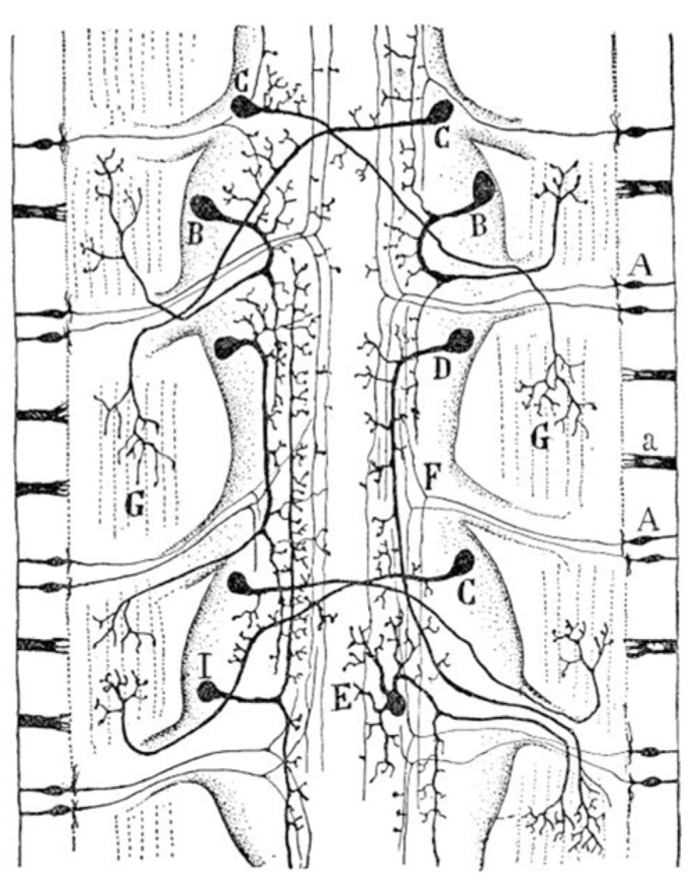
So, we’re setting aside James for a bit, and moving on to the first chapter of Cajal’s Textura. Whereas James is an explorer of inner life in the sense of that which is available to introspection, Cajal explores the inner, skull-bound world which is visible with a microscope. He wants to understand how neurons (brain… Read more
-
Blood and phosphorus
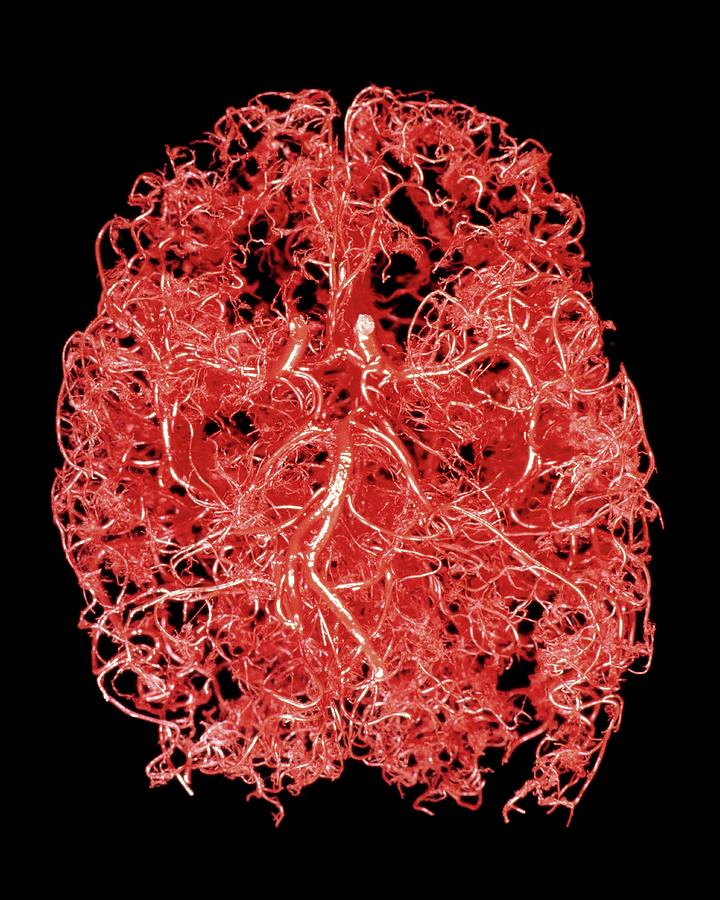
This is a little bit of an oddball section where James talks about cerebral blood supply, and where he weighs in on the issue of the unique role of phosphorous in thought (evidently this was contended strongly enough in his time that it gets a special mention here). We have such an inflated and mystical… Read more
-

On reaction times
Yeah, I know. I’ll confess I find it pretty hard to get pumped about studying reaction times. It seems James is a kindred spirit here, noting that the literature on it is the “sort of work which appeals particularly to patient and exact minds.” But since reaction time is one of the few toeholds he… Read more
-
Brain activity and thought
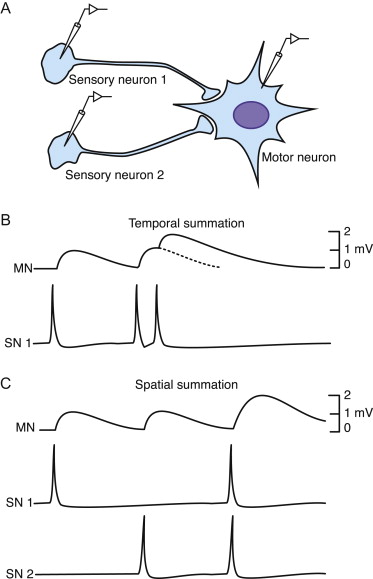
(So, I lied when I said in my original blog post that we’d trade off between James and Cajal a chapter at a time. I’m going to move on to chapter 3 of The Principles because in many ways it’s a continuation of the previous one. I suspect that for the presently –well– ‘lean’ readership… Read more
-
James as a father
Something a little lighter. A lovely letter from James to his 8 year old daughter Margaret (“Peg”), written in 1895. You can see how large-hearted he is. He really makes an effort to share his world. “Sweetest of Living Pegs, —Your letter made glad my heart the day before yesterday, and I marveled to see what… Read more

