Thoughts on current neuro research, and classics of the field. Much of what you find here in the near future will be a detailed reading of James’ Principles of Psychology and Cajal’s Texture of the Nervous system. See the first blog post The Project if you’re new here and want some more context.
-
On Phrenology
In introductory neuroscience courses it’s customary to give the phrenologists a good thrashing whenever the topic of cortical localization comes up. Phrenology was the once enthralling, but now maligned enterprise of matching specific psychological traits and mental attributes to specific bumps on the head. The intent was good and grounded in a real and serious… Read more
-
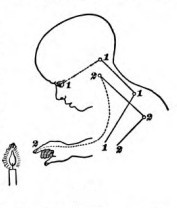
On “The Education of the Hemispheres”. Why “the burnt child dreads the fire.”
The view of the brain that James is teeing up for us so far is basically a “reflexological” one. That is, we’re essentially bundles of simple reflexes that are blindly pinging across the brain’s lower centers, with the cortex (the ‘hemispheres’) sitting on top, chaining these reflexes together and making them contingent on one another… Read more
-
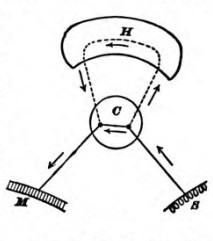
On “the hemispheres”. Also, on headless copulating frogs.
James is definitely trending into Neurophilosophy here, and tries to map some moral and ethical notions onto considerations of brain circuitry. Quite conveniently, the brain he describes seems designed to instantiate 19th century New England Protestant virtues. I think he’s getting a bit intellectually greedy and ahead of himself here, but the tone isn’t pushy,… Read more
-
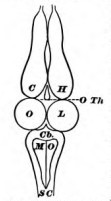
A frog brain dissection with Professor James
In the previous section on the nervous system, James gave us permission to think teleologically about the brain (i.e. the brain executes actions that are ‘appropriate’ for a useful outcome). He also urged us to think about the brain in a hierarchical way, supporting behaviors ranging from completely automatic (reflexes) to fully volitional (complex acts… Read more
-
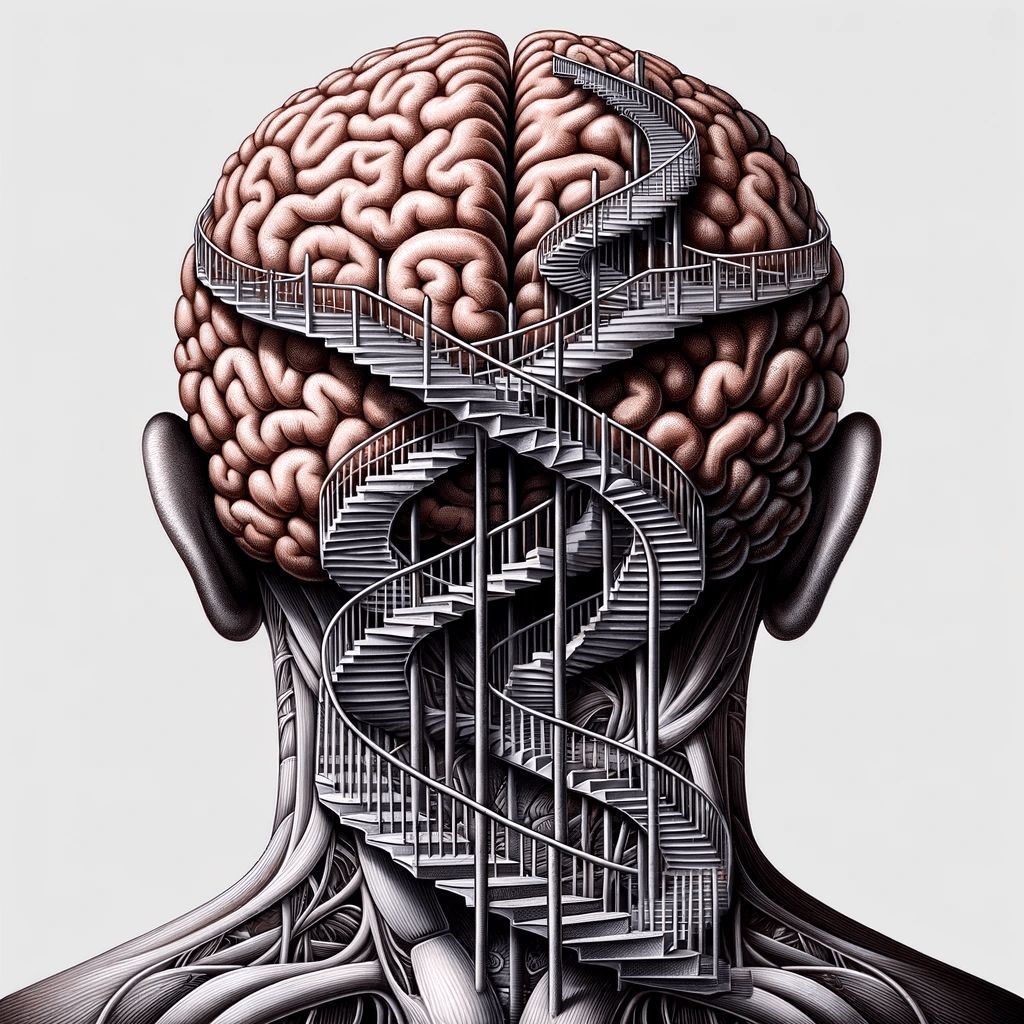
A hierarchy of acts
Summary of The Principles, Ch2, part 1. A neuroscientist friend of mine once said “trees don’t need a retina”, and it stuck with me. It was a pithy way of stating the idea that the senses are only important in so far as they provide data to act upon. If you’re literally planted in place,… Read more
-
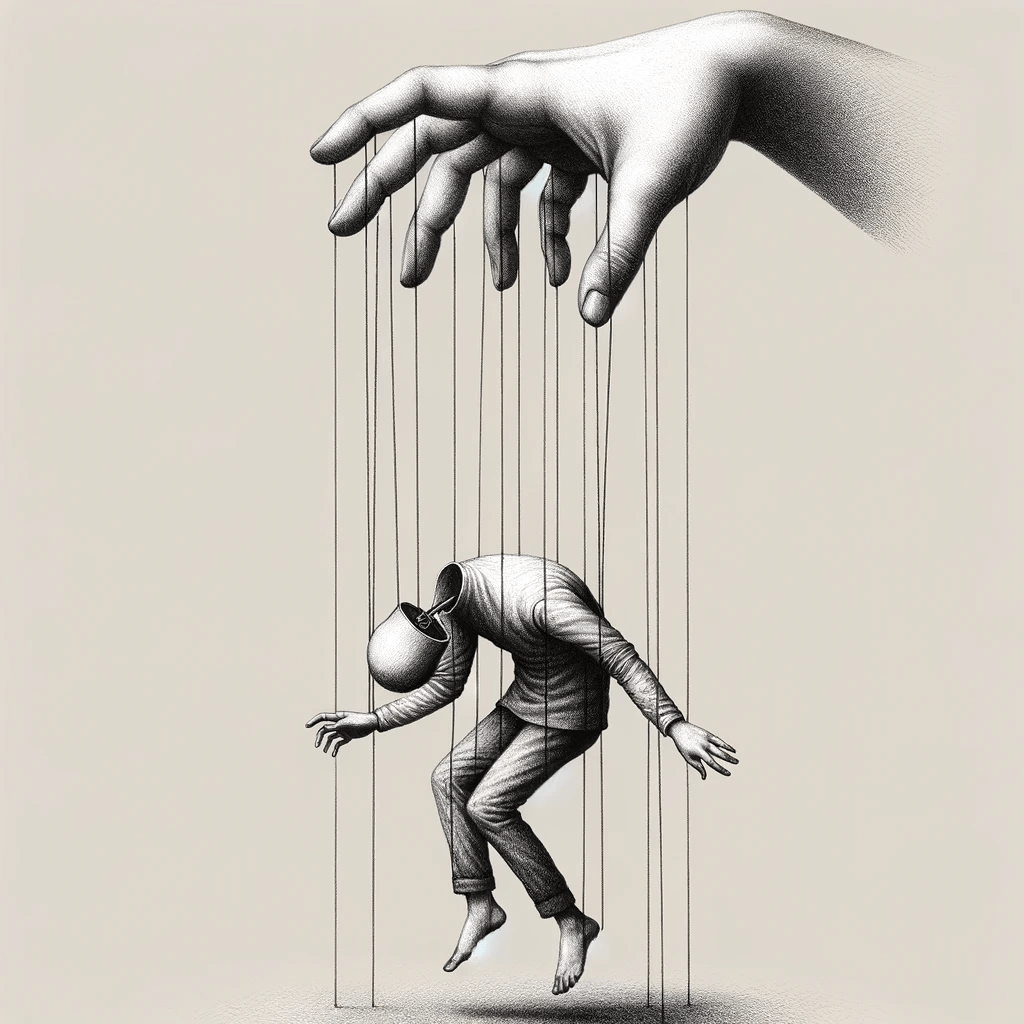
To understand minds, look at actions and goals
Summary of ‘The Principles’ — Chapter 1, part 2. James barters a truce between the associationists and spiritualists and essentially says: hey, I think we can all agree that the brain has something to do with mental life, regardless of what our philosophical commitments are. Whatever other sort of ‘ists’ we are, we are all… Read more

